Social Issues We Are Addressing
Social Issues We Are Addressing


Housing is a Fundamental Human Right
LivEQuality assumes that single mothers and their children have inherent human dignity; what is missing are the living conditions and social treatment that let that dignity be seen and felt in daily life. Having a place to live is the first step toward regaining dignity.
For children, a home where they can live in peace creates the foundation of future possibilities. For mothers, they can regain their diginity and believe in their own and chilren's potential.
What we do is to provide housing securing long‑term, decent homes and support so that single mothers can work, raise their children, and participate in society in ways that make them feel recognized and respected. The fact of having a place to live enhances all aspects of their lives.
Social Structure Creating Housing Poverty
Yet the very foundation of all this—housing—is under threat. National finances have reached their limits, and public housing is gradually disappearing. The private real estate market continues to overheat.
This economic situation directly creates housing-insecurity for people, profoundly impacting society as a whole. Soaring rents and insufficient support heighten the risk of losing one's home.


Affordable Housing in Europe and the United States
In Europe and the United States, tax incentives and innovative private sector initiatives have established a market for affordable housing—comfortable homes at reasonable prices. Major players like GAFA are investing billions of dollors, creating a substantial market where successful models are emerging one after another.
In contrast, no such market exists in Japan. Those needing affordable, secure housing are being left behind without public support.
Housing Poverty Caused by Affordable Housing Shortages
Single-mother households are facing this housing disparity. Japan has approximately 1.2 million single-mother households. During the COVID-19 pandemic, the sharp decline in non-regular employment caused many single mothers to lose their income sources and, ultimately, their homes—their last line of defense.
Even now, as the pandemic subsides, approximately 44.5% of single-parent households remain in relative poverty. This statistic, showing how securing housing directly perpetuates the cycle of poverty, cannot be overlooked.

44
%
Relative Poverty Rate of Single-Mother Households

The Vicious Cycle Created by the Address-Based Administration System in Japan
Japan's administrative services, based on the “address-based system,” further exacerbate the problem. Without an address, access to childcare facilities and public services is denied, making it impossible to even establish the environment necessary to work.
Single mothers who lose their homes due to domestic violence often fall into a vicious cycle: lacking an address prevents them from receiving adequate support and securing decent housing.
Professional Support is Essential
In Japan, where loneliness and isolation are deepening, mothers and children in poverty face complex challenges. Providing a place to live is not enough for residents to take their next step with confidence. Building community connections, accessing expert and government resources—professional support to facilitate these vital connections is critically needed but severely lacking.

Toward The Society We Strive For
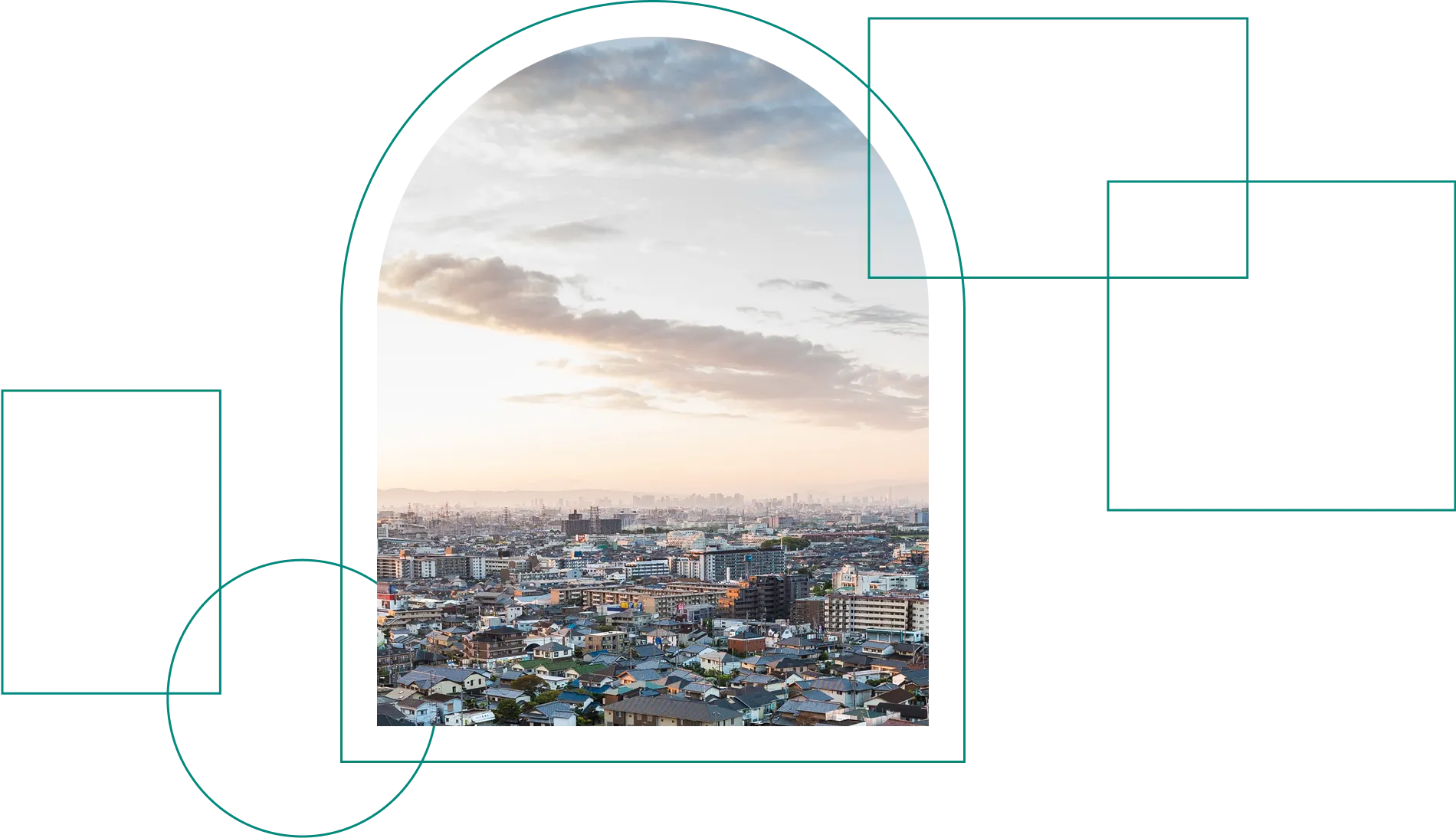
We provide affordable, comfortable housing where single mothers facing housing insecurity can live with peace of mind. Professional support workers accompany residents, helping them build connections and navigate daily life.
This initiative represents a “Japanese model of affordable housing,” born from confronting head-on the vicious cycle created by the address-based system and the dilemma of market overheating. By incorporating innovative financing methods like impact bonds, we have created a sustainable model.
By expanding this system nationwide, we aim to build a society where everyone can live authentically, starting from the foundation of safe and secure housing.

©︎ LivEQuality 2025

